Orbit 62
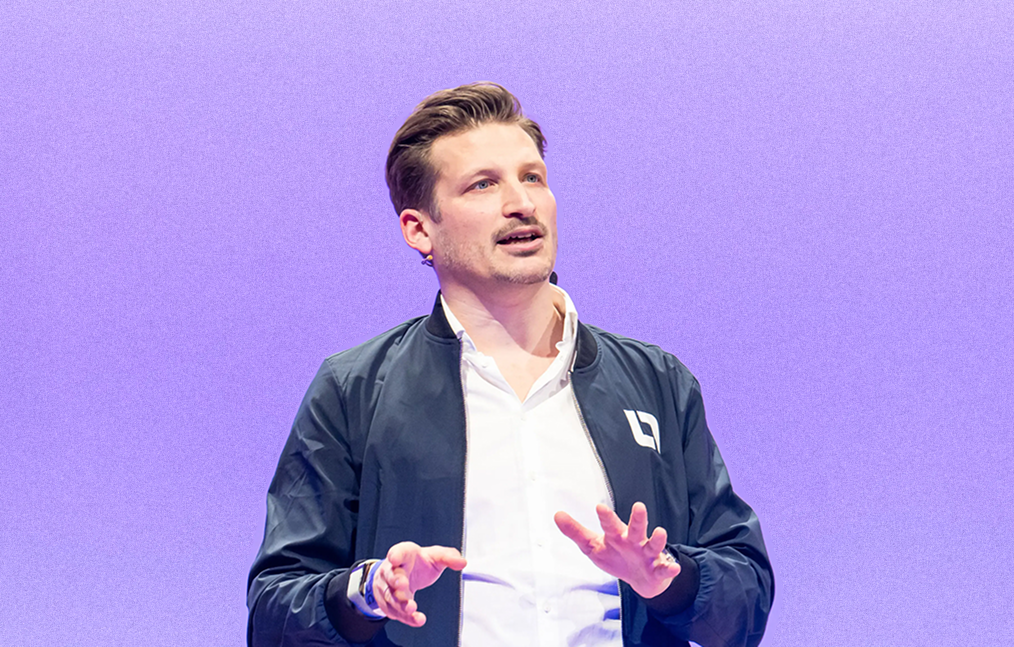
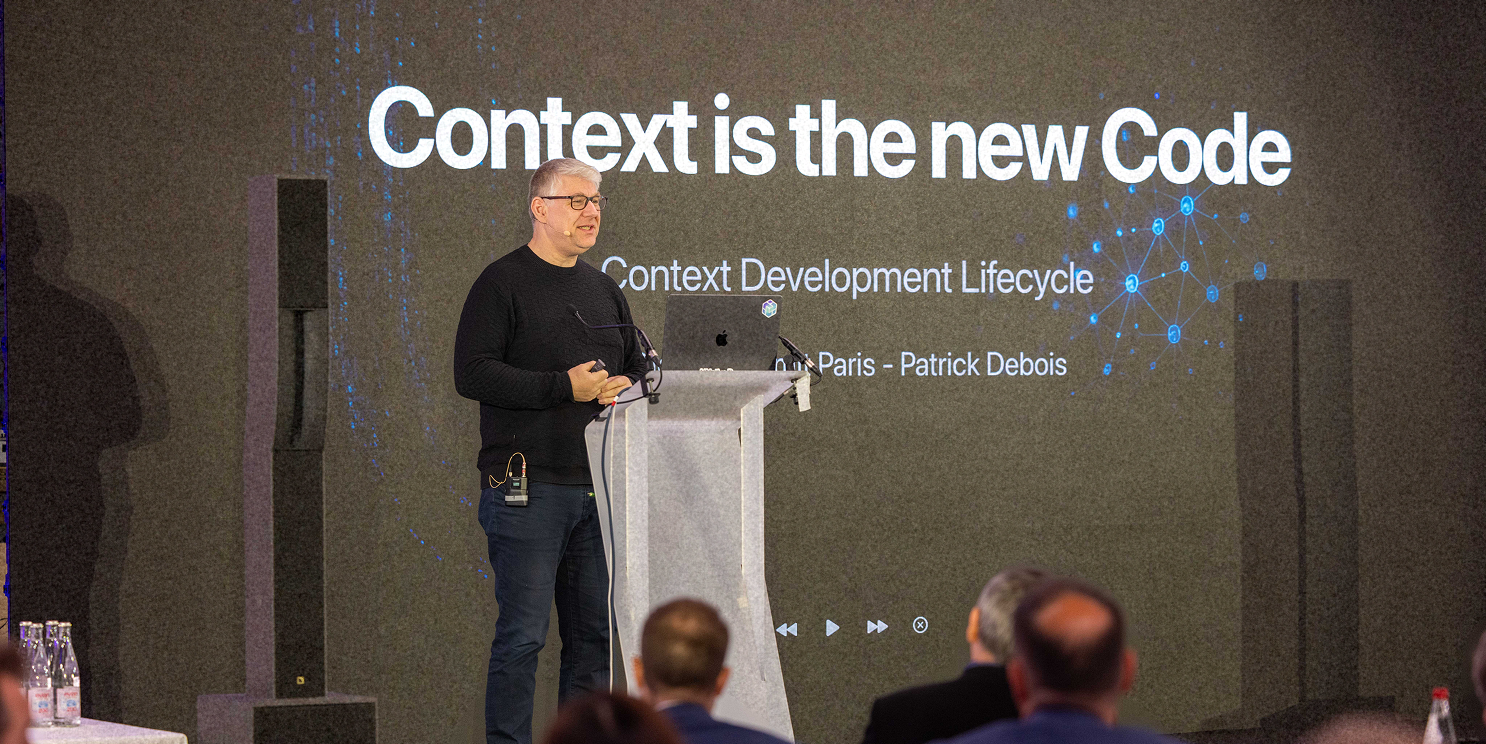
The engineer who coined "DevOps" in 2009 thinks he is watching the same pattern play out again, only faster. In this episode of Orbit, Patrick Debois joins Nathaniel Barnes, Hg's portfolio CTO, at our annual Digital Summit in Paris, to map the parallels between the DevOps movement and what is happening right now with AI agents in software teams. The framing question: what if context is the new code? Patrick unpacks the four phases of his context development lifecycle, generate, evaluate, distribute, observe, and explains why the maturity of a company's CI/CD pipeline is the single best predictor of how well it will absorb AI. He and Nathaniel dig into context drift, customer-facing "vibe coding" as a discovery engine, the silos that agents are quietly breaking down, and why the companies winning right now are the ones that skipped the 27-step plan and just started. As Patrick puts it: "We are at the age where it doesn't need to be perfect. We just need to be there." Essential listening for any technology leader navigating this moment.
Inside the episode
- CI/CD maturity is the single best predictor of whether a company will absorb AI successfully. Patrick Debois argues the organisational muscle built through continuous delivery, feedback loops, testing discipline and operational rigour is exactly what teams need to manage context in an agentic world.
- AI agents are forcing more collaboration, not less. The early promise was independence and the solopreneur era, but agents only perform when given the right context. Building that context requires consensus across teams, effectively turning the agent into a shared "developer enablement" project that breaks down knowledge silos.
- Patrick's "context development lifecycle" mirrors the software development lifecycle in four phases: generate, evaluate, distribute, observe. Teams that skip evaluation and ship context on a "vibe check" are building the AI equivalent of technical debt. Engineering rigour, including structured evals and LLM-as-a-judge testing, is the corrective.
- The companies making the biggest gains skipped the 27-step AI rollout plan. They attacked a problem, watched where the bottleneck moved, and attacked the next one. As Patrick puts it: "We are at the age where it doesn't need to be perfect. We just need to be there."
Transcript

Nathaniel Barnes
Welcome to Orbit, the Hg podcast where we talk to leaders who have built some of the most successful technology companies in the world. I'm Nathaniel Barnes, portfolio CTO at Hg. My guest today coined a term that became the way an entire industry works. In 2009, Patrick Debois was a frustrated Belgian consultant on a government data centre migration, watching developers and operations teams talk past each other. His response was to organise a small conference in Ghent called DevOpsDays. That conference became a global movement. The term Patrick coined, DevOps, reshaped how software gets built and shipped. Patrick co-authored the DevOps Handbook, and over the 17 years since, he has watched version control, code review, CI, CD pipelines and observability go from fringe practices to baseline hygiene.
Now he is watching it happen again. But this time, the thing that needs the rigour isn't code, it's context. Welcome to the show, Patrick.

Patrick Debois
Thanks for having me.